Materials and composition
Fibres, components, accessories, percentages and characteristics in a structured form.
NexusDpp helps brands, manufacturers and importers collect supply-chain data, connect evidence and publish a clear product experience through QR or NFC.
The European Commission identifies textile apparel as a priority group in the ESPR Working Plan 2025–2030. At the update date of this page, textile-specific DPP requirements still need to be defined through the delegated act that will also introduce the category’s ecodesign requirements. A pilot should therefore focus on data, sources, suppliers, evidence, identifiers and interoperability while keeping the final dataset configurable.
A textile DPP can combine technical data, origin, evidence and useful consumer content while keeping public and restricted layers separate.
Fibres, components, accessories, percentages and characteristics in a structured form.
Origin, transformations, sites and supply-chain actors linked to evidence.
Documents, declarations and reports associated with product, material or supplier.
Digital identity, history and events that help identify anomalies and copies.
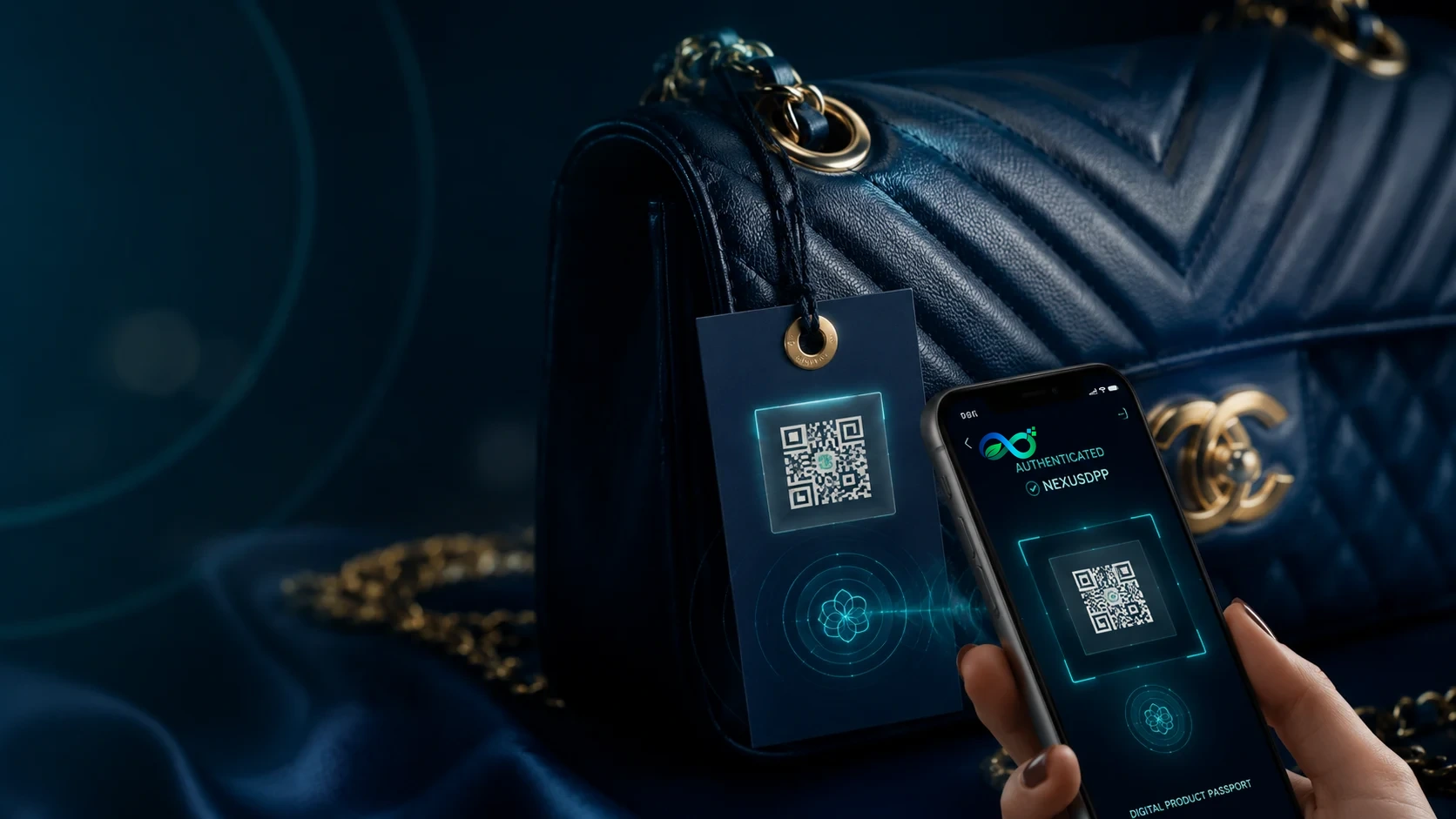
Origin, care, maintenance, storytelling and services accessible by smartphone.
Guidance for repair, reuse, collection, recycling and material recovery.
Suppliers and laboratories can contribute to specific fields. The brand or importer retains approval, control and the decision over what becomes public.
A reliable information base can support transparency, authenticity, post-sale service, reputation and customer engagement.
Claims are linked to data, sources and evidence.
Brand reputationIdentity and events make anomalies and duplication easier to identify.
Trust layerUseful content and services accessible directly from a smartphone.
User viewNo single date can be inferred from the ESPR Working Plan alone. Scope, requirements and application will be set by the textile-specific delegated act. The roadmap should be monitored without presenting a working-plan priority as a duty already in force.
Yes. Data models can be configured by category, product, variant and the role of each participating operator.
No. They can receive limited access or guided requests only for the data and evidence within their responsibility.
Yes. The user view can combine required information with services, authenticity, care guidance and storytelling.
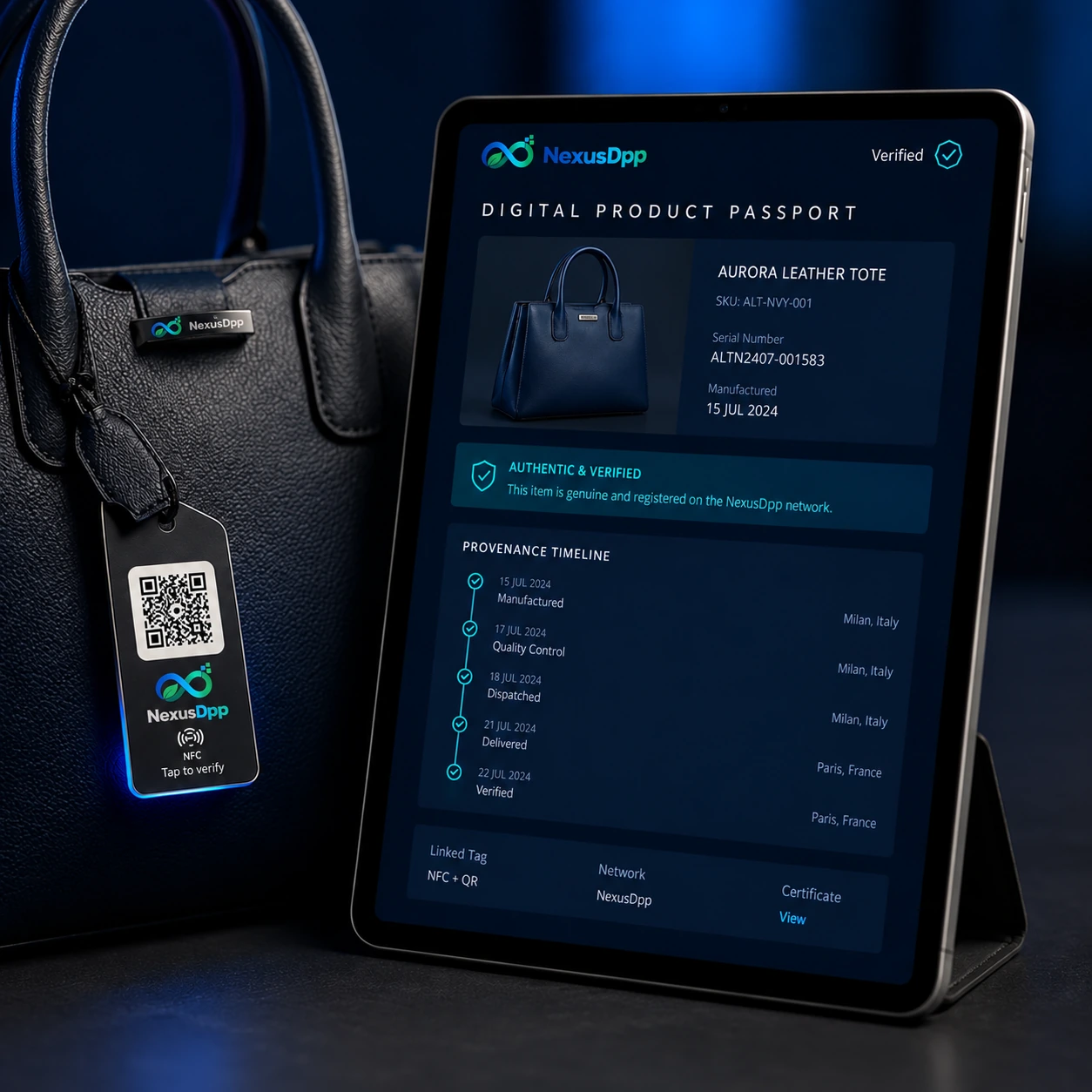
The NexusDpp pilot connects the item, materials, accessories, suppliers, certificates, authenticity and care instructions in a demonstrative DPP while keeping public and restricted data separate.